

Last Updated: September 4, 2023 by Flora Gibbins
As a longtime Betta enthusiast, I’ve always been fascinated by the hypnotic allure of these spirited aquatic creatures. Each type of Betta has its own distinct charm, personality, and grace. However, there’s one variant that’s remained a somewhat elusive jewel in my fishkeeping journey — the Rosetail Betta. The Rosetail’s mesmerizing, intricate finnage that beautifully unfurls like a blooming rose is indeed a sight to behold.
But with their beauty comes a question that has niggled at me for quite some time. Is it ethical to keep Rosetail Betta fish? You see, these creatures are not just another fish species. Their unique, elaborate fins are a result of selective breeding, which, while creating aesthetic marvels, also raises questions about their quality of life. The extravagant fins that we admire so much can often cause the fish significant difficulty, hindering their swimming and making them prone to certain health issues.
[FREE DOWNLOAD]: How To Avoid The Top 5 Mistakes New Betta Owners Make
The love I hold for Bettas compels me to think about their well-being. This conundrum has left me treading a tightrope between the desire to possess one of the aquarium world’s most visually stunning species and the fear of inadvertently promoting a practice that might compromise the very creatures I hold dear. It’s a thought-provoking journey, one that has prompted me to delve deeper into the world of Rosetail Bettas. I invite you to join me as we explore this stunning yet controversial member of the Betta family together.
Contents
- Rosetail Betta Facts and Overview
- Origin and Distribution
- Appearance
- Behavior and Temperament
- Social Interaction
- Rosetail Betta Tank Mates
- Tips for Choosing Your Rosetail Betta Fish
- Rosetail Betta Care
- Breeding Rosetail Betta Fish
- FAQs about Rosetails
- Why is my Rosetail Betta’s tail ripping?
- Is it normal for a Rosetail Betta to rest often?
- Are female Rosetail Bettas as colorful as males?
- How often should I change the water in my Rosetail Betta’s tank?
- What are signs that my Rosetail Betta might be stressed or unhappy?
- What’s the difference between a Rosetail Betta and a Halfmoon Betta?
- Are Rosetail Bettas Right for You?
Rosetail Betta Facts and Overview
- Common Names: Rosetail Betta, Rose Tail Betta, Rose Petal Betta
- Scientific Name: Betta splendens
- Adult Size: Approximately 2.5 to 3 inches (6 to 7.6 cm)
- Lifespan: Typically 3-5 years, but can live longer with optimal care
- Origin: Mekong basin of Laos, Cambodia, Vietnam and Thailand. However, the Rosetail variant is specifically a result of selective breeding in captivity.
- Minimum Tank Size: 5 gallons, though larger is preferable for their well-being
- Diet: Carnivorous; they thrive on a diet of high-protein foods such as betta pellets, brine shrimp, daphnia, and bloodworms.
- Water Temperature: 76-82°F (24-28°C)
Origin and Distribution
Betta splendens in the wild hail from the Mekong Basin, stretching through several countries in Southeast Asia including Thailand, Laos, Cambodia, and Vietnam. This region presents a myriad of diverse habitats ranging from rice paddies to slow-moving streams and even seasonal flood plains. Adapted to these environments, Bettas developed a unique labyrinth organ that allows them to breathe atmospheric oxygen, a critical survival trait in habitats often low in dissolved oxygen.
However, the Rosetail Betta is not a creation of nature’s caprice, but a result of human intervention. Their origin lies in the delicate and painstaking process of selective breeding. Betta fish were first bred for their aggressive behavior, which resulted in the creation of the now globally recognized Siamese Fighting Fish. However, over time, Betta fish breeders shifted their focus from their pugnacious nature to their aesthetics.
Breeders meticulously began selecting Betta fish with longer, more elaborate fins for further breeding. Over several generations, this led to Bettas with increasingly complex finnage, eventually culminating in the spectacular rosette-like spread seen in the Rosetail variant. Their mesmerizing tail fin, spreading in a 180-degree flare that forms ruffles or “rose petals,” is the outcome of this intense selection.
Appearance
The first thing that captivates anyone about the Rosetail Betta is their dramatic, flamboyant finnage. The name “Rosetail” is derived from the distinctive ruffled pattern of their caudal fin, which, when fully spread, resembles the petals of a rose in full bloom — hence the floral moniker Rosetail or Rose Petal Betta. This spectacle is further enhanced by the Betta’s ability to flare their fins as a show of dominance or during courtship.
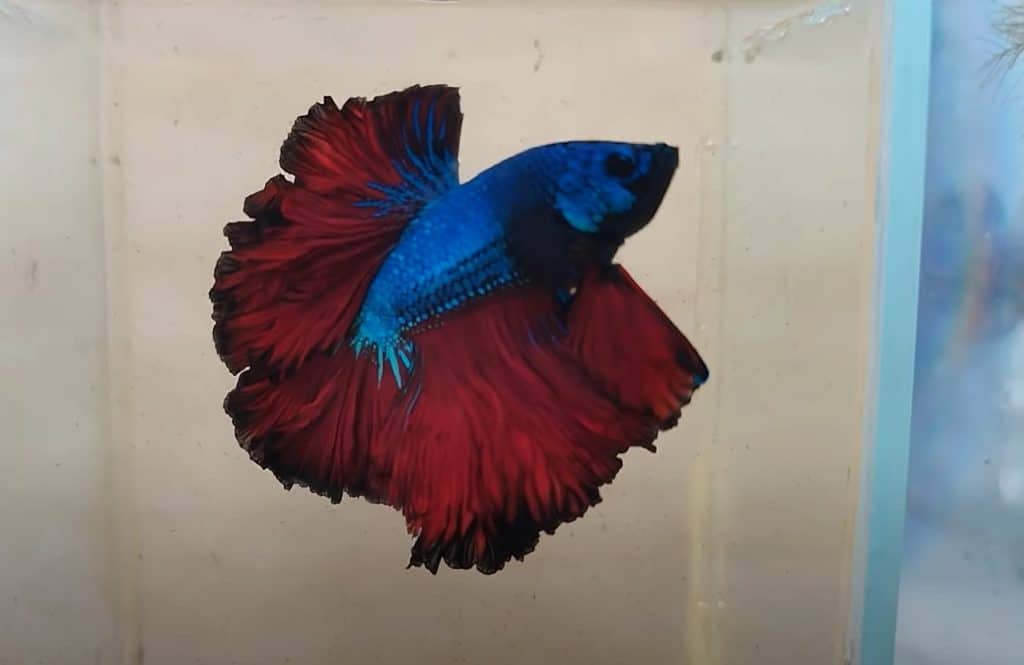
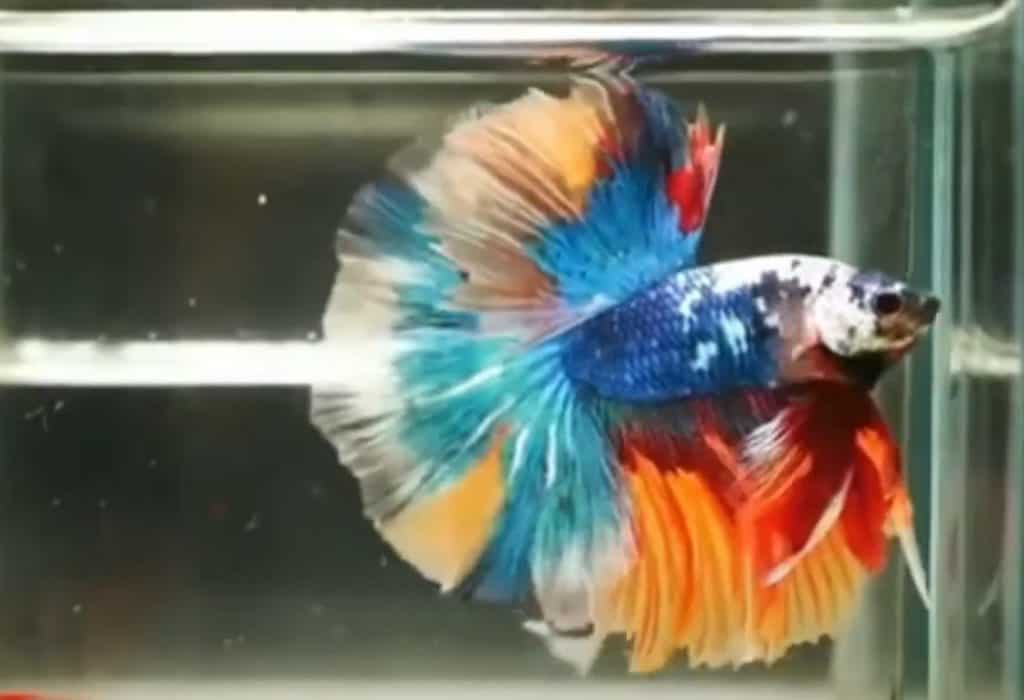
While all Rosetail Bettas share this striking tail morphology, they come in an array of vibrant colors and patterns. From deep, velvet blues and fiery reds to iridescent pastels and complex multicolor patterns, the palette of Rosetail Betta varieties is as diverse as it is vibrant.
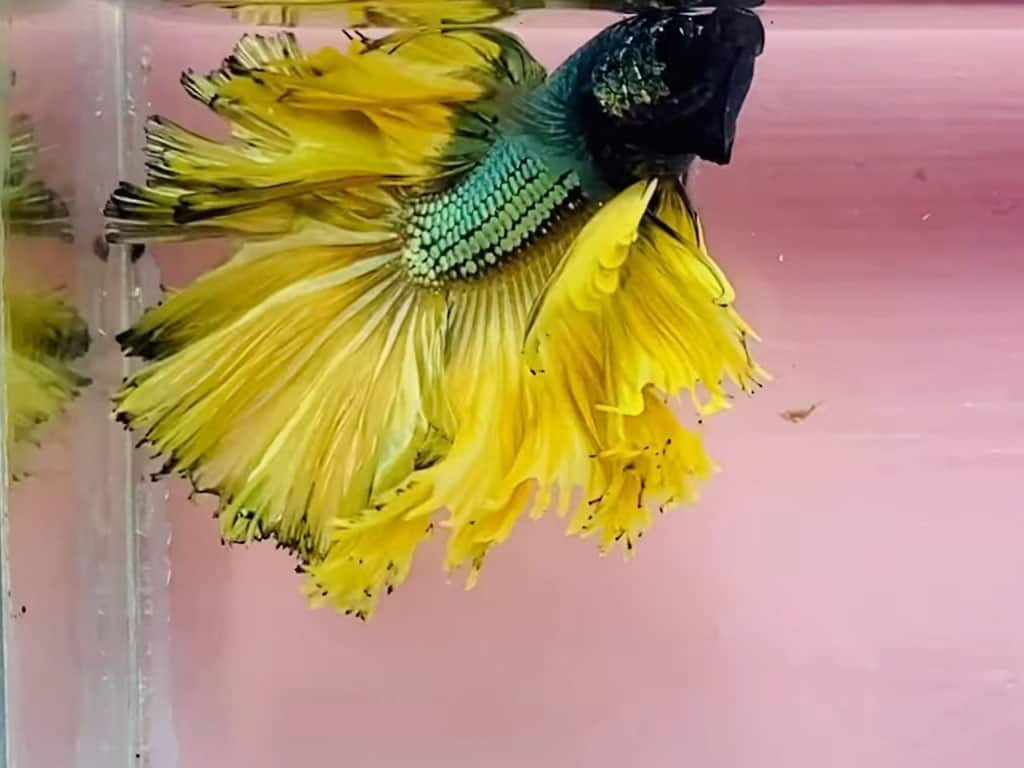
Rosetail Bettas also exhibit longer and more elaborate dorsal and anal fins compared to other Betta varieties. The dorsal fin, located on the Betta’s back, and the anal fin, found underneath, can often extend almost the full length of the body. These fins are richly adorned with the same ruffling seen in the tail, creating an overall effect of a floating floral arrangement, a spectacle of movement and color.
However, this beauty comes with its share of burdens. The weight of the extensive fins can hinder the Rosetail’s mobility, often causing them to rest more and swim less than other Betta variants. Furthermore, they are also prone to fin damage due to the delicate and extensive finnage. As someone who’s spent years nurturing Betta fish, watching these otherwise lively fish cope with such challenges presents a significant ethical dilemma that prospective Rosetail Betta keepers should consider.
Behavior and Temperament
Stepping into the world of Bettas, one quickly learns that they are not just your typical passive aquarium fish. They possess a unique blend of spunk and spirit that adds a dynamic touch to your aquatic setup. From my experience, each Betta I’ve cared for has displayed a distinct personality, and Rosetail Betta fish are no exception.
Like other Bettas, Rosetails are territorial and often display aggressive tendencies, especially towards their own kind or similarly finned and brightly colored fish. It’s a sight to behold when they flare out their fins in warning – a magnificent display of strength and beauty. However, as someone who cares for these creatures, it’s a reminder that their aggressive nature calls for specific considerations, such as housing males separately, to ensure their well-being.
Interestingly, despite their feisty demeanor, Rosetails often exhibit a more sedate lifestyle compared to other Betta fish. Their extensive, heavy finnage, while undeniably gorgeous, can be a burden, reducing their overall mobility. This necessity to frequently rest and recuperate is somewhat poignant to observe and often leaves me contemplating the ethical implications of selectively breeding for these exaggerated traits.
Rosetails are also notoriously curious and interactive, frequently responding to stimuli outside their tank. Many Betta owners, myself included, will attest to the delightful experience of their fish recognizing them or reacting to their presence. This aspect of their behavior not only makes Rosetails entertaining to watch but also forms a bond of sorts, further fueling the emotional debate surrounding their care and propagation.

The topic of companionship for Betta fish is a contentious one. Their territorial and aggressive nature often makes the solitary life the safest choice, particularly for males. Over the years, I’ve often found myself questioning: Is it fair to keep these intelligent, inquisitive creatures in isolation?
For Rosetail Bettas, this question becomes even more nuanced. Given their flamboyant finnage, they are not just at risk from other fish, but also from their own kind. The sight of another Betta can trigger aggressive displays, which can be physically taxing for a Rosetail due to the weight and size of their fins. And yet, the thought of these magnificent creatures living a life of solitude seems equally disheartening.
If you are considering companions for your Rosetail, it’s crucial to remember that any tank mates must be chosen with great care. The risk of fin-nipping and fighting is high, and Rosetails are more prone to stress and damage. I’ve often found myself grappling with this delicate balancing act – seeking companionship for my Betta, yet striving to ensure their safety and well-being. It’s a decision that doesn’t come lightly and requires a thoughtful understanding of the complexities of the Betta’s nature.
[FREE DOWNLOAD]: How To Avoid The Top 5 Mistakes New Betta Owners Make
Rosetail Betta Tank Mates
One of the most frequently asked questions in my years of Betta keeping is about choosing suitable tank mates. The Rosetail Betta, with its grandeur and grace, presents an even more challenging situation due to its extravagant finnage and the associated risks.
If you choose to house your Rosetail Betta with other fish, it’s vital to select species that are peaceful and unlikely to nip at the Betta’s fins. Some possible options could include Corydoras catfish, Ghost shrimp, or snails, which are generally peaceful and dwell in different areas of the tank, thus minimizing the risk of conflict.
However, every individual Betta’s temperament can differ, and what works for one may not work for another. I’ve had Betta fish who surprisingly cohabited peacefully with other tank mates, while others fiercely guarded their territory, making any form of companionship impossible.
One must tread carefully here. An incorrect pairing can lead to a stressful environment, causing harm not just to the Rosetail but also to the other fish involved. Ensuring a harmonious tank requires continuous observation and being prepared to separate the fish if necessary. Through my journey with Betta fish, I’ve learned that while companionship can enhance their environment, the health and safety of these beautiful creatures should always be the priority.
It’s a continuous learning curve, filled with moments of joy and anxiety. But isn’t that what makes the journey with these finned companions so fulfilling and worthwhile?
Tips for Choosing Your Rosetail Betta Fish
Choosing your Rosetail Betta can be a thrilling yet daunting task. The sheer variety of colors and the excitement of bringing a new pet home is indeed exhilarating. However, as a seasoned Betta keeper, I can attest that making an informed choice is crucial, especially considering the unique needs and potential challenges associated with Rosetail Betta fish.
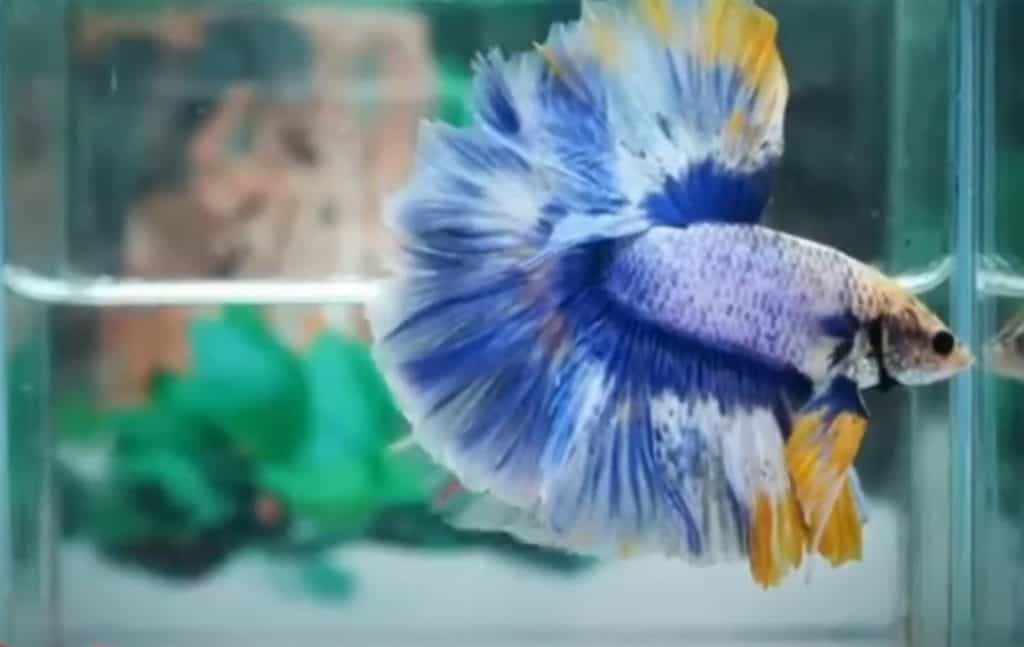
First and foremost, look for signs of good health. A healthy Betta should have clear eyes, vibrant colors, and full, undamaged fins. Check for any signs of disease or stress, such as faded colors, clamped fins, lethargy, or spots on their body. These could be red flags, indicating a potential health issue. Sourcing your fish from trusted Betta breeders can go a long way towards ensuring you end up with a healthy pet.
Given the Rosetail’s elaborate finnage, particular attention should be paid to their fins. Their fins should be free from tears, holes, or ragged edges. While some minor damage can heal, significant or chronic issues could lead to ongoing health problems.
Observe their behavior. A healthy Betta is active, curious, and responds to stimuli. A Rosetail that is frequently resting or shows signs of struggling due to its fins might face ongoing health and quality of life issues.
Most importantly, consider the ethical implications. The choice to purchase a Rosetail Betta should not be made lightly. Understanding that these creatures, while stunningly beautiful, are products of intense selective breeding and may face associated health issues is crucial.
My journey with Betta fish has taught me that the joy of fishkeeping comes not just from their aesthetic appeal but from providing a nurturing, healthy environment that allows these beautiful creatures to thrive. Your responsibility is to ensure that your choice aligns with the well-being of the fish. After all, our love for these creatures obliges us to prioritize their health and happiness above all.
Rosetail Betta Care
After many years spent caring for Betta fish, I’ve learned that each variety comes with its unique set of needs, and the Rosetail Betta is no exception. Their exquisite beauty belies a vulnerability that requires special attention. From diet and tank conditions to preventive healthcare, each aspect of their care demands a nuanced understanding and a commitment to their well-being.
But don’t let this daunt you; the reward of watching your Rosetail thrive in a carefully crafted environment is indeed gratifying. Let’s dive into the basics of Rosetail Betta care and explore what it takes to create a nurturing habitat for these fascinating creatures.
Tank Setup
In my many years of keeping Betta fish, I’ve learned that their tank setup plays a crucial role in their health and happiness. It’s their entire world, after all. The Rosetail Betta fish, with its unique needs, demands even more attention to detail.
Tank Size
While a Rosetail Betta can survive in a smaller tank, a larger one provides them with the room they need to thrive. A tank of at least 5 gallons is recommended. It gives them enough space to swim and reduces the frequency of water changes, maintaining more stable water parameters.
What to Put in the Tank
Rosetail Bettas appreciate a well-decorated tank. Silk or live plants provide hiding spots and help reduce stress. Additionally, they can rest on plant leaves to alleviate the burden of their large fins. However, make sure to avoid any sharp or rough decorations that could potentially damage their delicate fins.
[FREE DOWNLOAD]: How To Avoid The Top 5 Mistakes New Betta Owners Make
Equipment and Accessories
A heater is a must-have for any Betta tank setup, as these tropical fish require warm water temperatures to thrive. Also, a filter is essential to keep the water clean, but ensure the water flow is not too strong to avoid stressing your Betta. Lastly, a lid is recommended as Bettas can jump, and you wouldn’t want your fish making an unscheduled leap of faith.
Water Parameters
Maintaining optimal water conditions is key to keeping any fish species healthy, and Rosetail Bettas are no exception. Over the years, I’ve learned that keeping a close eye on the water parameters can help prevent many common health issues and significantly increase the longevity of my finned friends.
- Temperature: Rosetail Bettas thrive in warm water, ideally maintained between 76 and 80 degrees Fahrenheit. A reliable heater and a thermometer are vital for achieving this.
- pH Level: The pH level should be slightly acidic to neutral, typically falling between 6.5 and 7.5. Regular testing can help monitor and adjust the pH as necessary.
- Ammonia, Nitrites, and Nitrates: These betta fish are sensitive to ammonia, nitrites, and high nitrate levels, all of which can harm their health. Regular water changes and a good filter can help keep these parameters in check.
- Hardness Levels: Rosetails prefer soft to moderately hard water. Ideal conditions include a general hardness (GH) between 3 and 10 and a carbonate hardness (KH) between 2 and 5.
Regularly monitoring these parameters and making adjustments when needed can significantly enhance the health and happiness of your Rosetail Betta.
Diet and Feeding
If there’s one thing I’ve come to realize in my years of keeping Bettas, it’s that a varied, balanced diet is key to their health and vitality. While Rosetail Bettas are not different in this regard, their delicate nature does necessitate a bit more care and attention when it comes to feeding.
Rosetail Bettas are carnivores by nature. A diet rich in proteins and fats is essential for them. High-quality Betta pellets should form the core of their diet, as these are specifically formulated to meet their nutritional needs.
However, to keep their diet varied and ensure they receive all the necessary nutrients, it’s beneficial to supplement these pellets with live or frozen foods. Brine shrimp, bloodworms, and daphnia make excellent additions to their diet.
Feeding should be done carefully. A general rule is to offer only as much Betta food as the fish can consume in a few minutes. Overfeeding can lead to bloating and other health issues, and uneaten food can pollute the tank water.
Also, do note that Rosetails, with their large fins, might take longer and expend more energy while feeding. Therefore, ensuring the Betta food is within easy reach and observing their eating habits becomes particularly important.
Common Health Issues and Diseases
Over the years, I’ve found that an understanding of common health issues is an essential part of being a responsible Betta keeper. This becomes particularly important when it comes to Rosetail Bettas, whose large fins make them more prone to certain diseases.
Fin Rot: This is a common ailment in all types of Bettas, but Rosetail Betta fish are especially susceptible due to their voluminous fins. This bacterial or fungal infection causes the edges of the fins to become discolored, ragged, or even to disintegrate. Early detection and treatment can prevent serious damage.
Swim Bladder Disease: Characterized by a Betta’s difficulty in maintaining buoyancy, this can be particularly problematic for Rosetails due to their heavy fins. Overfeeding and cold water are common causes, and while not usually fatal, it can significantly impact the fish’s quality of life.
Ammonia Poisoning: This can occur if the water conditions in the tank aren’t properly maintained. Symptoms can include lethargy, loss of appetite, and inflamed gills. Regular water changes and monitoring of water parameters can help prevent this.
Bacterial Infections: Rosetails can also be susceptible to various bacterial infections, often signaled by unusual spots or growths on their bodies. Prompt treatment with appropriate medication is crucial.
Keeping your Rosetail healthy involves staying vigilant for any signs of distress or disease. Regular checks and immediate action when something seems off can make all the difference in their health and longevity. It’s a responsibility that all Betta keepers should bear in mind, especially when dealing with varieties like the Rosetail, which stir ethical debates about their breeding. Their inherent vulnerabilities only underscore the importance of providing them with the best possible care in captivity.
Breeding Rosetail Betta Fish
As someone with years of experience in Betta care, I have been asked about breeding Bettas multiple times. However, when it comes to Rosetail Bettas, I’ve always advised caution. The beauty of the Rosetail, while undeniable, comes with a set of vulnerabilities that we’ve discussed throughout this guide. Breeding them further propagates these weaknesses and raises some serious ethical questions.
Nonetheless, if you’ve decided to join the ranks of Betta fish breeders, the process is similar to that of other Betta varieties. Males will build a bubble nest and court the female. Once the eggs are laid and fertilized, the male takes on the duty of guarding the nest.
But breeding Rosetail Bettas can be more challenging. Their exaggerated finnage can hinder successful spawning, as the male may struggle to wrap around the female during the mating process. Additionally, the large fins may make it difficult for the male to adequately care for the eggs.
If you’re set on breeding, it’s imperative to prepare adequately and understand the risks involved. Raising fry requires a lot of time, resources, and careful monitoring. A separate breeding tank, special food for the fry, and a plan for what to do with potentially hundreds of baby Bettas are all necessary considerations.
Breeding Betta fish can certainly be rewarding, a fascinating insight into the life cycle of these vibrant fish. But with Rosetail Betta fish, we’re reminded of the fine line between admiration of beauty and the ethical responsibility we bear as keepers. For this reason, it’s essential to ensure that our pursuit of this hobby is always rooted in respect for the well-being of these wonderful creatures.
[FREE DOWNLOAD]: How To Avoid The Top 5 Mistakes New Betta Owners Make
FAQs about Rosetails
Why is my Rosetail Betta’s tail ripping?
Ripping can occur due to various reasons like sharp objects in the tank, fin rot, or even self-inflicted damage due to stress. Ensuring a safe, stress-free environment and keeping an eye on your Betta’s health can help prevent this.
Is it normal for a Rosetail Betta to rest often?
Yes, due to the weight of their fins, the Rosetail Betta variant may need to rest more often than other Bettas. Providing ample places to rest near the water surface can make your Rosetail more comfortable.
Are female Rosetail Bettas as colorful as males?
While males are generally more vibrant, female Rosetails can also display beautiful colors and patterns. However, their fins are not as exaggerated as those of the males.
How often should I change the water in my Rosetail Betta’s tank?
While it depends on factors like tank size and whether it’s filtered, a good rule of thumb is to conduct a partial water change (about 25-30%) every week. For smaller, unfiltered tanks, more frequent changes may be necessary. This helps maintain water quality, which is crucial for your Betta’s health.
What are signs that my Rosetail Betta might be stressed or unhappy?
Signs of stress in a Rosetail Betta can include loss of color, loss of appetite, lethargy, and erratic swimming. Environmental factors such as poor water quality, inadequate temperature, or bullying by tank mates can cause stress. If you notice any of these signs, it’s essential to check your tank conditions and make any necessary changes.
What’s the difference between a Rosetail Betta and a Halfmoon Betta?
Halfmoon and Rosetail Bettas are often confused due to their similar appearance, but the distinction lies in the spread and arrangement of their fins. A normal Halfmoon Betta fish’s tail, when fully flared, forms a perfect semicircle, resembling a half-moon, hence the name. The edges of the tail are crisp and straight.
On the other hand, a Rosetail Betta is essentially a more extreme version of a Halfmoon. They have such an excessive branching of the rays in their tail fin that when flared, it appears ruffled or rose-like. This creates a much more dramatic, voluminous display compared to the Halfmoon.
Are Rosetail Bettas Right for You?
As we draw this guide to a close, the question inevitably arises: are Rosetail Betta fish the right choice for you? It’s a question that I’ve asked myself many times since introducing a Rosetail to my own aquatic family. With their unparalleled beauty comes a level of responsibility and ethical consideration that is impossible to ignore.
Rosetail Bettas are undoubtedly stunning. Their flowing fins and vivid colors can make them the star attraction of any tank. If you’re drawn to aesthetics, there are few who can compete with this majestic Betta variety. However, these beauties require a high level of care and attention. Their elaborate fins necessitate extra vigilance to prevent fin rot and other health issues, and their water and dietary needs are specific and must be carefully maintained.
In addition, this aquarium fish might not be the best choice for a beginner aquarist or a young child’s first pet. Their delicate nature requires a mature and informed approach to their care, making them better suited to those with some experience in fish keeping.
Then there’s the ethical dilemma. By keeping a Rosetail Betta, are we perpetuating the demand for a fish bred for beauty at the expense of its health? It’s a question with no easy answers, and one that each of us must answer based on our personal convictions.
I’ve loved my time with my Rosetail Betta, cherishing the beauty it brings to my tank. But I’ve also wrestled with the ethical implications of keeping such a breed. If you can provide the care these magnificent creatures require and are willing to engage with these ethical considerations, a Rosetail Betta could indeed be the right choice for you. They are, without a doubt, a sight to behold and a privilege to keep. But that privilege comes with a responsibility that we, as keepers, must never forget.


