
Last Updated: August 2, 2023 by Flora Gibbins
There’s a certain allure to being different, to standing out in a crowd — the Spade Tail Betta fish knows this all too well. This unique, almost ethereal aquatic creature takes its name from the distinctive spade-like shape of its tail, unlike any other in the Betta world. It’s an underwater ballet dancer, moving with elegance and grace, its spectacular tail mimicking the flow of a silk scarf in a gentle breeze.
To own a Spade Tail Betta is to become part of an exclusive club of enthusiasts who appreciate the beauty and individuality of these exquisite fish. My first Spade Tail Betta was a vibrant blue male named Azure, and I was immediately entranced by his delicate elegance and vibrant color. This is a species that deserves to be known, loved, and cared for, and in this blog post, we will delve deep into the world of Spade Tail Bettas. Prepare to be captivated, as I was, by their unique charm and intricate care needs.
[FREE DOWNLOAD]: How To Avoid The Top 5 Mistakes New Betta Owners Make
Contents
Spade Tail Betta Facts and Overview
- Common Names: Spade Tail Betta, Spadetail Betta
- Scientific Name: Betta splendens
- Adult Size: 2.5 to 3 inches
- Lifespan: 3-5 years in captivity with proper care
- Origin: Southeast Asia, predominantly Thailand, Vietnam, and Cambodia
- Minimum Tank Size: 5 gallons, although 10 gallons is recommended for optimal space
- Diet: Carnivorous, mainly eats insects and larvae in the wild, in captivity can be fed high-quality betta pellets, frozen, or live food.
- Water Temp: Between 75-80°F (24-27°C)
Origin and Distribution
The Spade Tail Betta, like all Betta splendens, traces its roots back to the warm, tropical waters of Southeast Asia. Originally, they thrived in the shallow, slow-moving waters of rice paddies, marshes, and streams in countries such as Thailand, Vietnam, and Cambodia. This lush environment allowed them to develop into the vibrant and distinctive species they are today.
Bettas made their grand entrance into the aquarium world in the late 19th century, catching the eyes of fish enthusiasts with their brilliant colors and unique tail shape. They were first bred for their aggression as fighting fish, a regrettable aspect of their history. Thankfully, their popularity as fighting fish has largely faded, replaced by a growing appreciation for their beauty and individuality.
The Spade Tail Betta, with its distinct tail shape reminiscent of a playing card spade, is a product of selective breeding. Aquarists, intrigued by the aggressive nature and striking colors of the Betta fish, began to selectively breed them, aiming to enhance these attributes and bring forth new varieties. Over time, these breeding efforts led to the creation of several tail types, including the beautiful Spade Tail.
Understanding the Spade Tail’s origins greatly enriches our care and breeding strategies. When I first got Azure, my own Spade Tail Betta, I found that by mirroring the warm, spacious conditions of the rice paddies they were genetically accustomed to, I was better able to meet his needs. Recognizing that these fish are products of both their natural environment and selective breeding gives a more complete understanding of the care they require.
Appearance
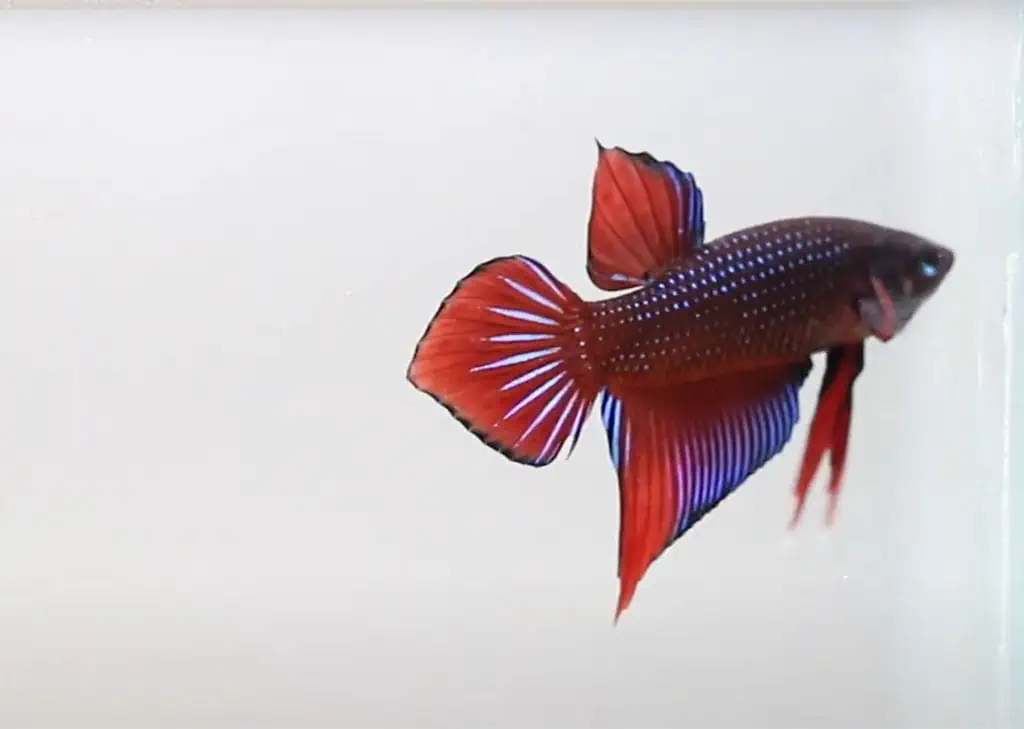
The Spade Tail Betta is a sight to behold. Like other Betta fish, they are known for their vibrant colors, but it’s their tail that truly sets them apart. As the name suggests, the tail of a Spade Tail Betta forms a distinctive spade-like shape — it’s wide at the base, narrowing to a point, much like the spade symbol on a deck of cards.
Tail shape can influence the way a Betta fish moves. Different Betta tail types can modify their swimming style due to the varying drag and buoyancy associated with each form. Spade Tail Betta’s distinct shape, while not as voluminous or heavy as some other varieties like the Halfmoon or Rosetail, still has more surface area than simpler forms like the Plakat. This can mean that Spade Tail Bettas, while quite agile, might not dart around the tank as quickly as a Betta with a shorter tail.
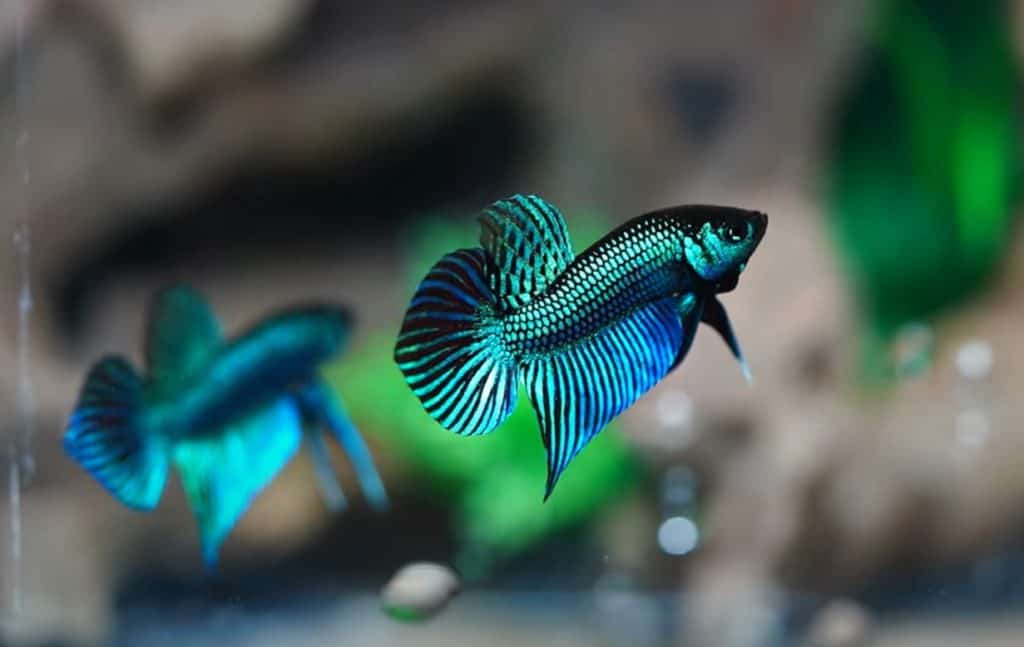
While the shape of the tail is the defining characteristic, the color and pattern can vary greatly. Spade Tail Bettas can be found in almost every color of the rainbow, from deep blues and fiery reds to radiant greens and pastel pinks. Some even display a mix of colors, creating a vibrant palette that makes each fish unique.
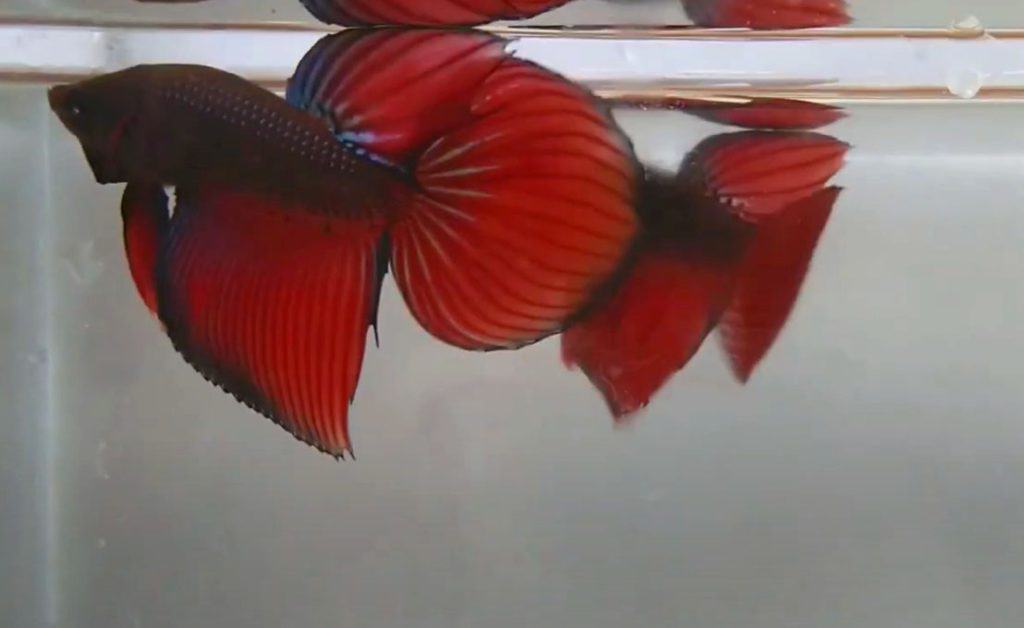
Their bodies are typically slender and streamlined, with males generally being more colorful and having longer fins compared to females. A full-grown Spade Tail Betta will usually measure between 2.5 to 3 inches long, excluding the tail.
It’s their elegant beauty that first drew me to the Spade Tail Betta. When I saw Azure for the first time, his intense blue hue, combined with the graceful spade-shaped tail, was absolutely mesmerizing. There was a certain charm in the way his tail flowed like a silky scarf with each movement. This visual allure, combined with their unique personality, is what makes Spade Tail Bettas an appealing choice for many aquarists.
Behavior and Temperament
Spade Tail Bettas, like all Betta fish, are known for their vibrant personalities as much as their vibrant colors. They are curious, lively, and known for their interactive behavior with their surroundings and their owners. Often, they’ll follow your finger around the tank or even flare their gills in response to a mirror — a classic sign of a Betta’s assertiveness.
One defining trait of Bettas is their territorial nature, which can make them seem aggressive at times. This is a legacy of their past as fighting fish. Male Bettas are particularly territorial and will often flare their fins to warn off perceived intruders. If two males are put together, they are likely to fight, sometimes to the death.
Despite this seeming aggression, Bettas can be quite peaceful when housed alone or with suitable tank mates. They are also intelligent and can even be trained to perform simple tricks, like jumping for food.
From my personal experience, I can tell you that their temperament makes Bettas engaging pets. Watching Azure explore his environment, respond to my presence, and show off his magnificent colors was always a highlight of my day. While their territorial nature can pose challenges, understanding their behavior is key to providing them with a suitable environment where they can thrive.
When it comes to companionship, it’s important to remember that Betta fish are naturally solitary and territorial, especially the males. In their natural habitat, they prefer to live alone and can become aggressive when they feel their territory is threatened.
Because of this, Spade Tail Bettas are often best kept alone in their own tank. This solitary lifestyle allows them to express their natural behaviors without the risk of conflict. They are perfectly happy having the entire tank to themselves, and they certainly have the personality to keep you entertained.
That said, it doesn’t mean they’re always solitary. If you’d like to add some companions to your Betta’s tank, there are certain species that can coexist peacefully with a Spade Tail Betta, given that the tank is large enough and the potential tank mates are chosen with care.
[FREE DOWNLOAD]: How To Avoid The Top 5 Mistakes New Betta Owners Make
Spade Tail Betta Fish Tank Mates
While Spade Tail Bettas can live happily alone, they can also coexist with other fish in a community tank if you’re careful with your selections. Choosing suitable tank mates for your Spade Tail Betta is crucial in maintaining a peaceful aquatic environment.
Certain peaceful, non-aggressive species that do not resemble Bettas can make good tank mates. These include Corydoras Catfish, most Tetra species, and Harlequin Rasboras. Snails and shrimps can also share a tank with Bettas without triggering their territorial instincts.
It’s essential to avoid housing your Spade Tail Betta with other aggressive fish or those with bright colors and long fins, as your Betta may mistake them for rival Bettas and become hostile. Another crucial point to remember is that male Bettas should never be housed together due to their aggressive and territorial nature.
When I decided to introduce some tank mates for my Spade Tail Betta fish, I added a small group of Corydoras Catfish. They are bottom dwellers, which helped reduce territory disputes as Azure preferred the upper sections of the tank. They got along quite well, and watching them coexist peacefully was genuinely rewarding.
Remember, the size of your tank plays a significant role in determining whether it can support multiple fish. If you’re considering adding tank mates, ensure your tank is large enough (at least 10 gallons) and filled with plenty of hiding places to help diffuse any potential conflicts. Also, always monitor the tank closely when you first introduce new tank mates to ensure everyone is getting along.
Tips for Choosing Your Spade Tail Betta Fish
Choosing the right Spade Tail Betta can be a thrilling experience. Whether you’re at a pet store or a fish breeder, looking at the wide array of colors and watching their graceful movements can be mesmerizing. But, it’s also important to ensure you’re bringing home a healthy fish. Here are some tips to guide you through the selection process:
- Look for Active Fish: A healthy Betta should be active and alert, moving around the tank, especially when someone approaches.
- Check the Fins: The fins of the Betta should be open and fully fanned out. Any signs of torn, clamped, or ragged fins could indicate illness.
- Examine the Body: The body of the Betta should be free of spots, discoloration, or odd bumps. Also, make sure the scales are smooth and not protruding, as raised scales could indicate a disease.
- Check the Eyes: The eyes should be clear and not foggy or swollen.
- Observe Eating Habits: If possible, ask to see the Betta eat. A healthy Betta should have a strong appetite.
When I chose Azure, he was the most active Betta in the store, swimming energetically around his tank. His vibrant color, clear eyes, and full fins were sure signs of good health. He also eagerly ate the food provided by the store associate, which was another positive sign. Remember, selecting a healthy Betta not only gives your fish the best chance at a long, happy life but can also save you from potential heartache and additional vet bills down the line.
Spade Tail Betta Care
Caring for a Spade Tail Betta isn’t just about maintaining the right tank conditions and providing a balanced diet. It also involves observing your Betta’s behavior, understanding its needs, and ensuring it leads a comfortable and stress-free life. Let’s delve into some essential care tips to help your Spade Tail Betta thrive.
Tank Setup
Creating an ideal environment for your Spade Tail Betta starts with the right tank setup. Here are the key elements to consider:
Tank Size
For a single Betta, a minimum tank size of 5 gallons is recommended, although a larger tank is always better. If you plan to introduce tank mates, consider upgrading to a 10-gallon tank or larger. It’s essential to provide ample space for your Betta to swim and explore, as well as to establish territories if other fish are present.
What to Put in the Tank
Bettas are known for their natural curiosity, so adding items like plants (real or silk), rocks, and caves can create a stimulating environment for your fish. Avoid sharp or rough decorations that could potentially harm your Betta’s delicate fins. Azure, for instance, seemed to enjoy swimming around the plants and often used the cave as a hideout when he wanted a little solitude.
Equipment and Accessories
The basic equipment for a Betta tank includes a filter, a heater, and a light. A low-flow filter is best as Bettas prefer calm waters. As tropical fish, Bettas require a heater to maintain a steady water temperature between 76-82°F (24-28°C). As for lighting, a simple aquarium light will suffice to mimic a regular day-night cycle and showcase your Betta’s vibrant colors.
Setting up the perfect tank environment for a Spade Tail Betta requires careful consideration. But, when done right, it can significantly enhance your fish’s quality of life, showcasing their natural behavior and vibrant colors to the fullest. It’s truly a rewarding experience to see your Betta thrive in an environment tailor-made for them.
Water Parameters
Maintaining proper water parameters is critical for the health and well-being of your Spade Tail Betta. Betta fish are tropical freshwater species and thrive in specific water conditions that mimic their natural habitat. Here are the essential parameters to monitor:
- Temperature: Bettas prefer warm water, with an ideal temperature range between 76-82°F (24-28°C). You may need a reliable aquarium heater to maintain this consistent temperature, particularly during colder months.
- pH Level: Bettas do well in slightly acidic to neutral water, with a pH between 6.5 and 7.5. Regularly testing the water’s pH level can ensure it stays within this range.
- Ammonia, Nitrite, and Nitrate Levels: The presence of ammonia and nitrites can be harmful to your Betta. Both should always be at zero in a well-established and cycled tank. Nitrates, on the other hand, are less toxic but should be kept below 20 ppm.
- Water Hardness: Betta fish are quite adaptable, but they generally prefer soft to moderately hard water, with general hardness levels between 3-5 dGH.
Maintaining these water parameters may require regular testing, particularly in a new tank or if you’re introducing new fish. Remember, sudden changes in water parameters can cause stress to your Betta, leading to health issues. Therefore, aim for consistency and make any necessary adjustments gradually. Providing your Spade Tail Betta with the right water conditions can greatly contribute to its overall health, color vibrancy, and lifespan.
Diet and Feeding
Just like people, Betta fish require a balanced diet to stay healthy and active. Here’s what you need to know about feeding your Spade Tail Betta:
- Type of Food: Bettas are primarily carnivorous. High-quality Betta pellets should form the core of their diet, supplemented with a variety of protein-rich foods such as daphnia, brine shrimp, bloodworms, and mosquito larvae. Remember, not all fish food is created equal. Look for Betta-specific foods with high protein content.
- Feeding Frequency: Feed your Betta once or twice a day, giving only as much food as it can consume in a few minutes. Overfeeding can lead to constipation and other health problems. A common rule of thumb is to feed an amount about the size of the Betta’s eye.
- Food Size: Bettas have small mouths, so any food needs to be small enough for them to eat comfortably. Pellets can be soaked before feeding to make them easier to consume.
- Fasting: Some Betta owners recommend a “fasting” day once a week to prevent constipation and bloating, given Bettas’ propensity to overeat.
It’s important to remember, though, that each Betta has unique dietary needs and preferences. Always monitor your Betta’s reaction to different foods and adjust its diet as necessary.
Common Health Issues and Diseases
Despite our best efforts to provide optimal care, Spade Tail Betta fish, like any other pets, can sometimes fall ill. Early detection is crucial to successful treatment, so familiarizing yourself with common Betta diseases can be beneficial. Here are some typical health issues to watch out for:
- Fin Rot: This bacterial disease often results from poor water conditions and can cause the fins to become ragged and discolored. With early detection and improved water conditions, fin rot can be treated effectively.
- Ich: Also known as white spot disease, ich is a common parasitic infection in aquarium fish. Signs include white spots on the fish’s body and fins, lethargy, and a loss of appetite.
- Velvet: Another parasitic disease, velvet gives the fish’s body a gold or rust-colored sheen. Infected fish may also scratch against objects in the tank.
- Swim Bladder Disease: This can cause the fish to have trouble swimming upright due to a problem with the swim bladder. Overfeeding or a diet lacking in variety often cause it.
- Popeye: Characterized by swollen, bulging eyes, Popeye can be a symptom of a variety of underlying issues, including bacterial infections or poor water conditions.
- Dropsy: A severe condition marked by a swollen body and raised scales, often caused by kidney failure. Dropsy is usually difficult to treat and often fatal.
Breeding Spade Tail Bettas
Breeding Spade Tail Bettas can be a rewarding but challenging experience, requiring careful preparation and a deep understanding of Betta behavior. Here’s a basic guide to breeding these beautiful fish:
[FREE DOWNLOAD]: How To Avoid The Top 5 Mistakes New Betta Owners Make
- Selecting a Pair: Choose a healthy, mature pair with good coloration and the desirable Spade Tail trait. Both fish should be free from disease and ideally around the same size, with the male slightly larger.
- Preparing the Fish: Condition the selected pair with a high-protein diet for about two weeks before breeding. This will encourage the female to produce eggs and the male to build a bubble nest.
- Breeding Tank: Set up a separate breeding tank with warm, soft water (80-82°F or 26-28°C) and a low water level (about 5 inches). The tank should also have a place for the male to build his bubble nest, such as floating plants or a foam cup half-cut and fixed under the water surface.
- The Breeding Process: Introduce the female to the male but keep them separated initially. Once the male builds a bubble nest and the female shows breeding stripes, they can be allowed to mate. The male will wrap around the female to fertilize the eggs, which he’ll then place in the bubble nest.
- Post-Breeding Care: After breeding, remove the female from the tank. The male will take care of the eggs until they hatch in 24-48 hours. Once the fry becomes free-swimming, typically after another two to three days, the male should also be removed to prevent him from eating the fry.
- Fry Care: Newly hatched fry can be fed infusoria or liquid fry food until they’re large enough to eat brine shrimp nauplii or microworms. Regular water changes are vital during this period.
Remember, breeding Bettas is a big responsibility and can be challenging for beginners. It’s also important to have a plan for the fry, as a single spawn can result in dozens of fish needing homes. Proceed with care and always prioritize the well-being of your fish.
Breeding wasn’t something I had the opportunity to experience, but I’ve spent countless hours reading and learning from experienced Betta breeders. If you decide to take this journey, it will undoubtedly deepen your understanding of these remarkable creatures.
Spade Tail Betta FAQs
How often should I clean my Betta’s tank?
For smaller, unfiltered tanks, partial water changes should be done every 2-3 days, with a full clean once a week. In a filtered tank, a 25% water change once a week is generally sufficient.
What is the best way to transport a Betta fish?
For short distances, a small, clean container with a lid works well. For longer journeys, consider a specially designed fish bag with about a third of water and two-thirds of air for oxygen. Always secure the bag or container to prevent jostling.
Why is my Betta hiding all the time?
It’s normal for Bettas to hide occasionally, especially if they have just been introduced to a new tank. However, constant hiding could indicate stress from factors such as poor water conditions, inadequate hiding spots, bright lighting, or aggressive tank mates.
Do Bettas need a light in their tank?
Bettas don’t need a light for themselves, but they do follow a day/night cycle, so indirect room lighting or a low-intensity aquarium light is beneficial. Lights also help live plants in the tank to thrive.
Are Spade Tail Bettas Right for You?
After traversing this aquatic journey, it’s time to reflect — are Spade Tail Bettas the right choice for you? Here’s a final insight and encouragement.
Choosing to bring a Spade Tail Betta into your life means embracing the challenges and rewards of creating a suitable environment for this unique species. It means observing and appreciating the vibrant coloration, distinctive tail shape, and distinct personality traits that set them apart.
Spade Tail Bettas can make captivating and gratifying pets for those ready to commit to their specific needs. The time and effort invested in providing a suitable tank, clean water, a balanced diet, and disease prevention are rewarded with the mesmerizing presence of these extraordinary creatures.
If you’re a beginner looking for a straightforward entry into fishkeeping, or an enthusiast searching for a unique addition to your collection, the Spade Tail Betta is a wonderful choice. They’re not only visually stunning but also full of personality, capable of forming an unexpected bond with their caregivers.


